For Trust CEOs, Headteachers, SENDCos and Inclusion Leads, this presents a major opportunity to improve learning environments for pupils with additional needs through the Inclusive Mainstream Fund (IMF) 2026–2027.
However, when planning inclusion hubs, SEN units or adapted learning spaces, there is one critical element schools should prioritise from the outset: acoustics.
The IMF and Inclusive Learning Environments
The government has confirmed that:
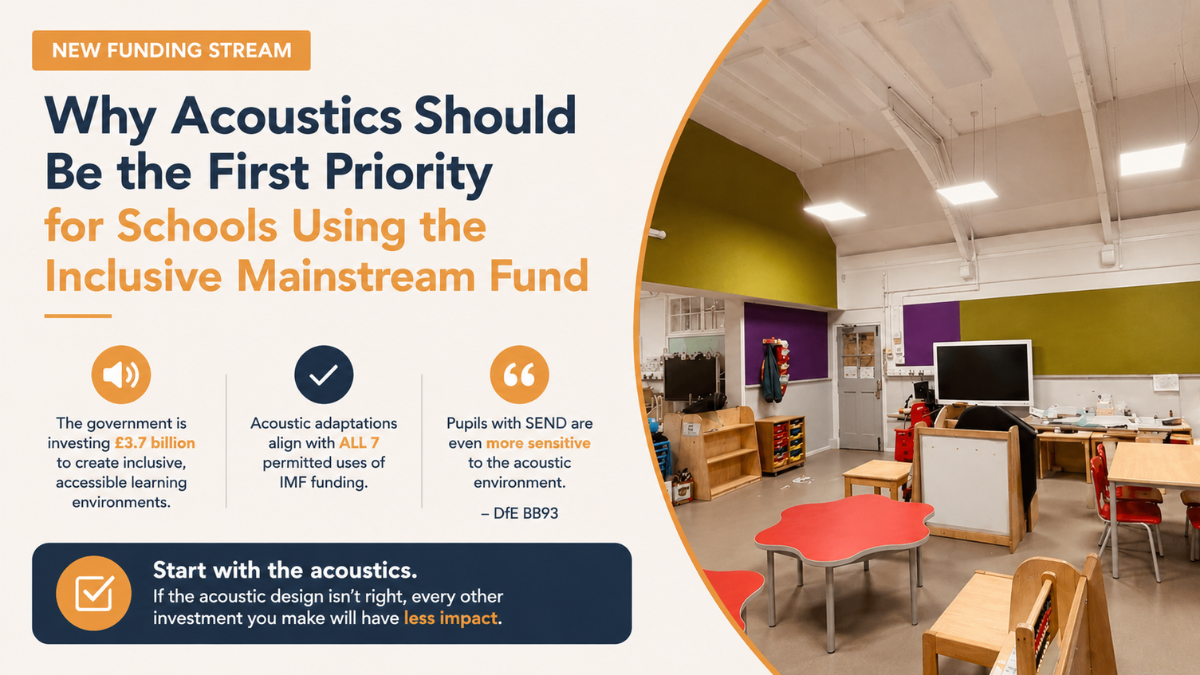
“The requirement for schools to have an inclusion base will be delivered through the government’s £3.7 billion capital investment…”
The IMF is designed to help schools create more effective inclusive environments, with funding available for improvements that directly support pupils with SEND.
What many schools may not realise is that acoustic adaptations align with all seven of the permitted funding criteria within the IMF guidance. This makes acoustic treatment one of the few investments capable of positively influencing every aspect of inclusive provision.
Why Acoustics Matter in SEND Spaces
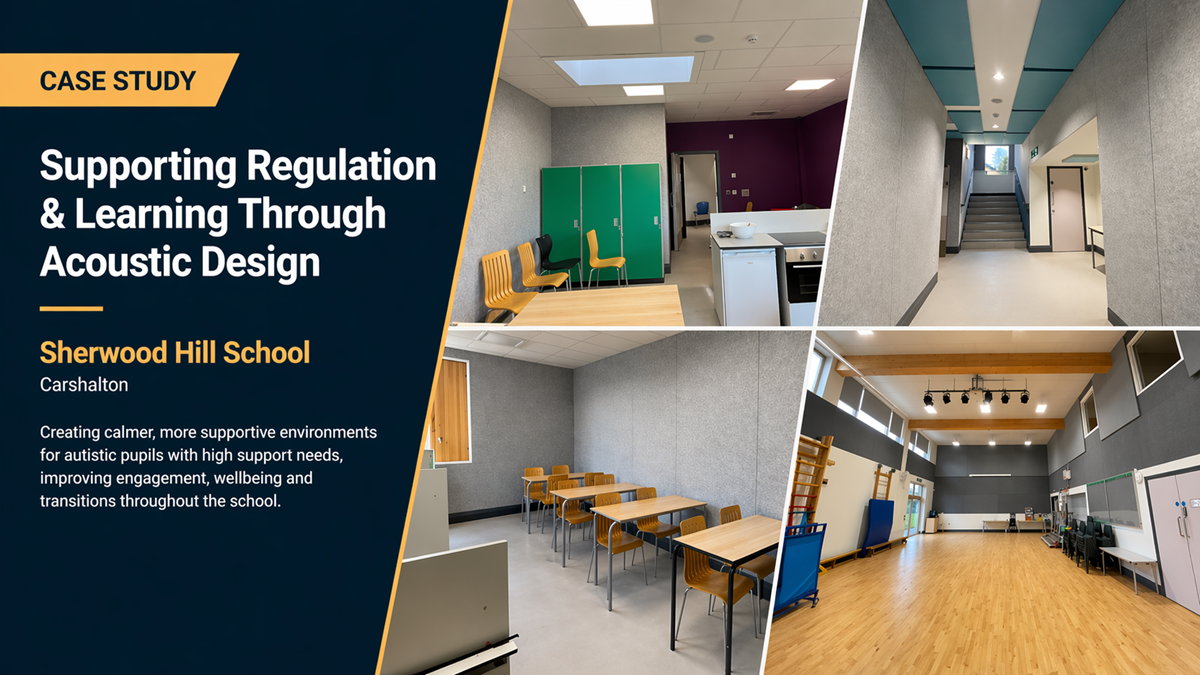
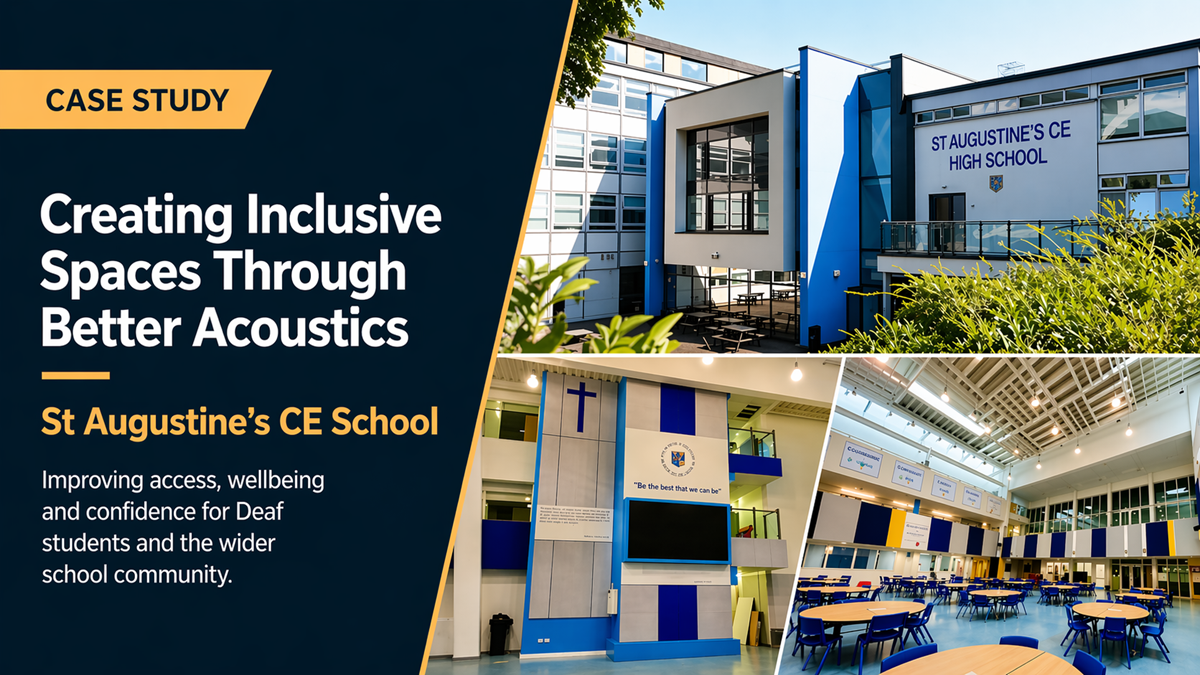
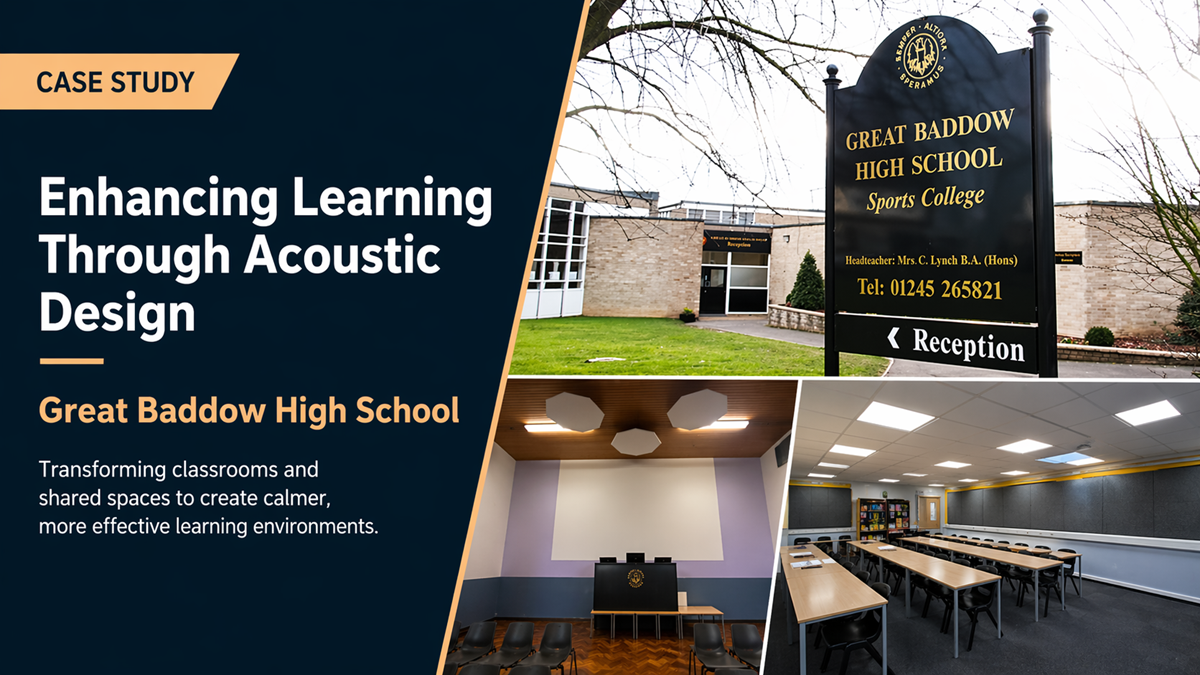
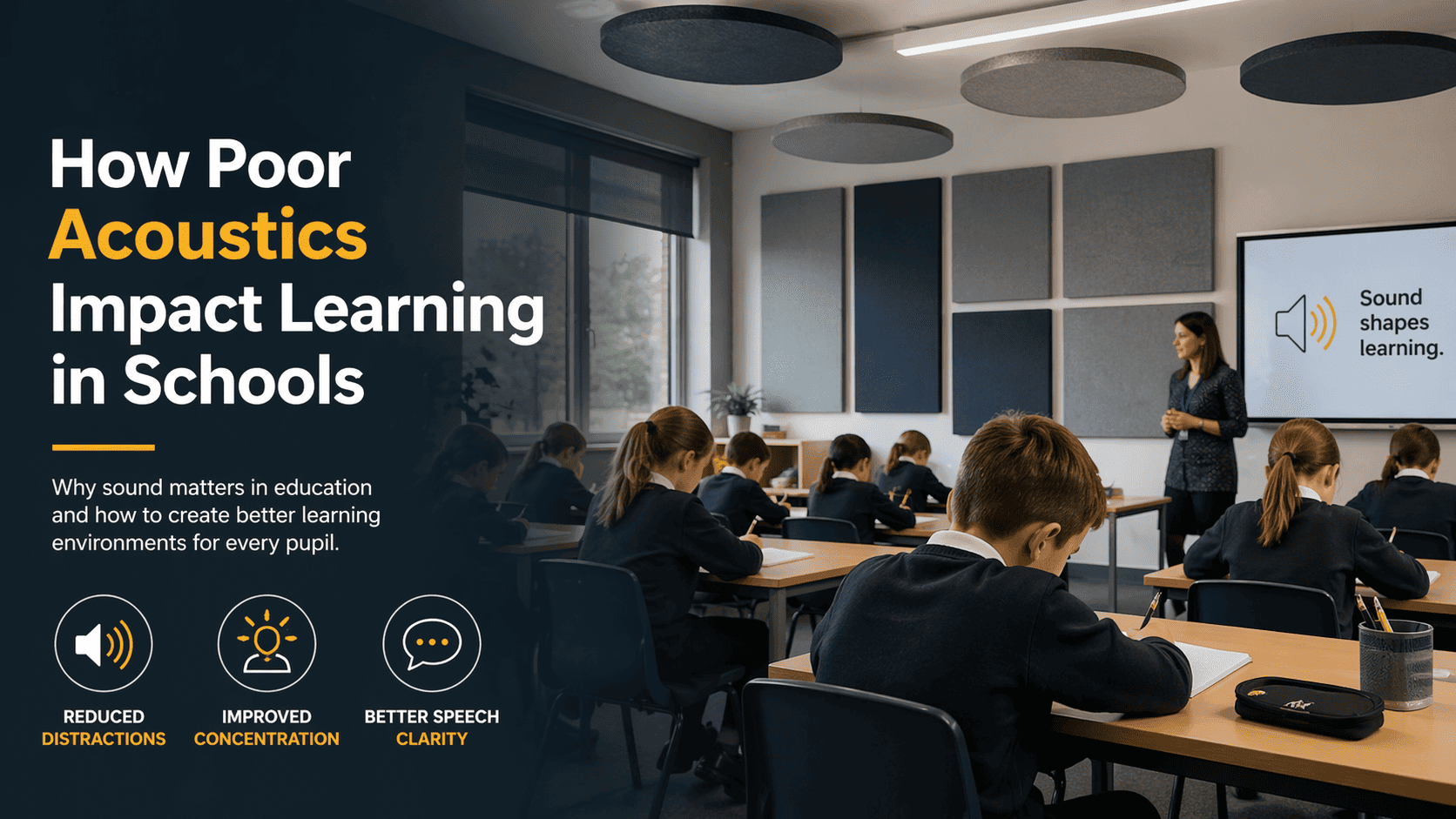
Poor acoustics can create significant barriers to learning, communication and concentration, particularly for pupils with additional needs.
Excessive reverberation, background noise and unclear speech can impact:
- Speech intelligibility
- Focus and concentration
- Emotional regulation
- Communication skills
- Sensory comfort
- Staff wellbeing and fatigue
For many pupils with SEND, including those with autism, ADHD, hearing impairments or speech and language difficulties, the acoustic environment can directly affect their ability to learn and engage.
The Department for Education’s BB93 guidance makes this especially clear:
“Pupils with special educational needs are generally even more sensitive to the acoustic environment than others.”
This means that if the acoustic design is not properly considered at the beginning of a project, every other investment made within that space may become less effective.
Start With the Acoustic Design
Whether your school is planning:
- An inclusion hub
- SEND resource provision
- Intervention room
- Nurture space
- Sensory room
- Adapted classroom
…acoustic performance should be built into the project from day one.
Effective acoustic treatment can help create calmer, more accessible and more inclusive learning environments that support both pupils and staff.
At Simple Acoustics, we work with schools and education settings to deliver practical acoustic solutions that align with BB93 guidance while improving the usability and comfort of teaching and support spaces.
Supporting Schools with IMF-Funded Projects
As schools begin planning projects under the IMF 2026–2027 funding stream, now is the ideal time to assess the acoustic performance of existing and proposed learning environments.
By addressing acoustics early in the design process, schools can maximise the long-term impact of their investment and create spaces that genuinely support inclusive education.
To discuss acoustic solutions for your school or inclusion project, contact Simple Acoustics today.
Useful Links
- IMF Methodology 2026–2027:
https://www.gov.uk/government/publications/inclusive-mainstream-fund-2026-to-2027/inclusive-mainstream-fund-for-schools-methodology-2026-to-2027 - IMF Best Practice Guidance:
https://www.gov.uk/government/publications/inclusive-mainstream-fund-2026-to-2027/inclusive-mainstream-fund-best-practice-for-schools - BB93 Acoustic Guidance:
https://www.gov.uk/government/publications/bb93-acoustic-design-of-schools-performance-standards